Get Fit at Home: Real Results Without the Gym
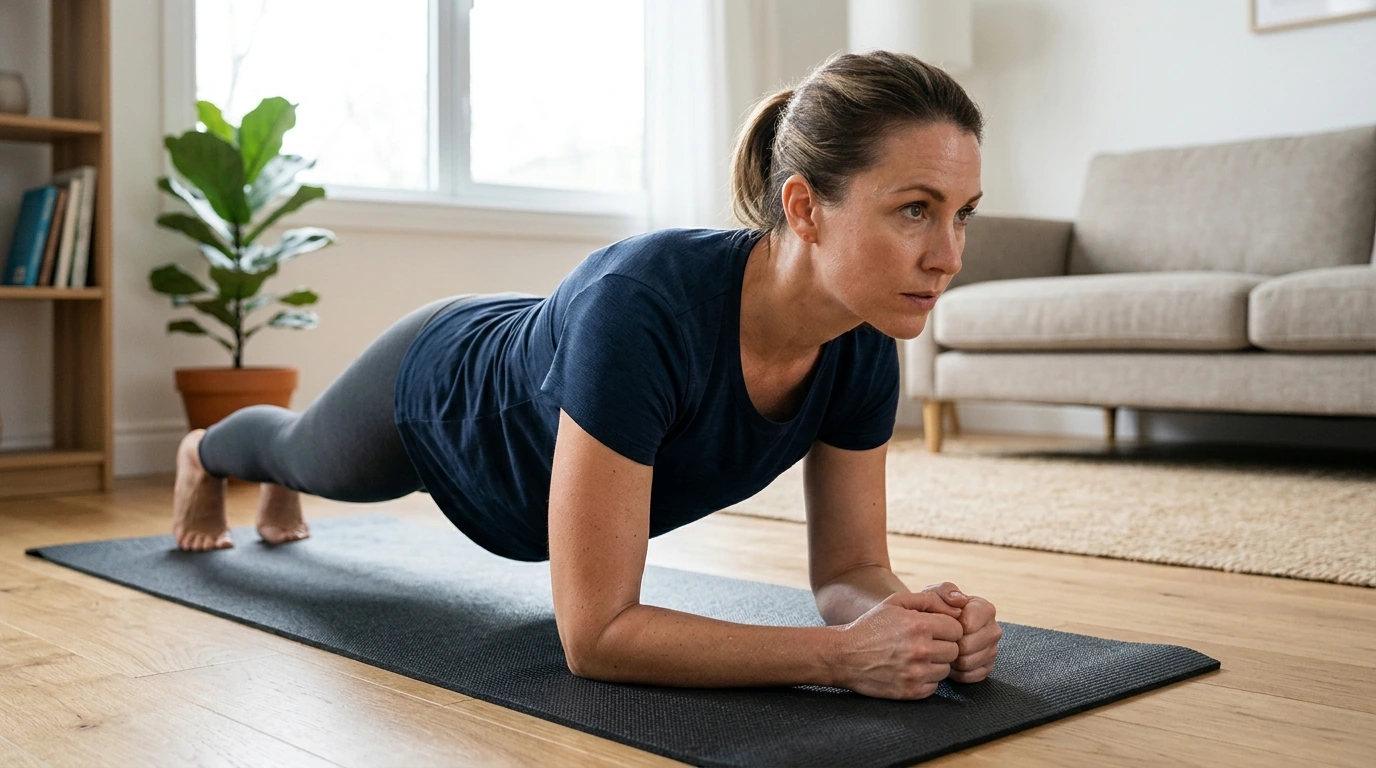
Can you actually get fit at home?
Yes—home workouts can build strength, improve cardio fitness, and support fat loss when they’re consistent and progressively challenging. “Getting fit” doesn’t require a gym; it requires a plan that matches your goals, enough effort to stimulate change, and habits that make it repeatable week after week.
What makes at-home fitness work?
The biggest driver is progressive overload: gradually increasing the difficulty over time. At home, that can mean adding reps, slowing the tempo, shortening rest, increasing range of motion, or using simple equipment like resistance bands, adjustable dumbbells, a pull-up bar, or a kettlebell. Even bodyweight moves can scale up with harder variations (push-ups to decline push-ups, squats to split squats, planks to long-lever planks).
What kind of results can you expect?
With three to five focused sessions per week, many people notice better energy, improved endurance, and visible strength changes within a few weeks. Body composition changes depend heavily on nutrition, sleep, and daily activity. Home training excels at consistency—no commute, no waiting for machines—which often leads to better long-term results than an “ideal” plan that rarely happens.
How to structure a simple home routine
A practical approach is full-body training 3 days per week, plus 2 short cardio sessions. For strength, choose 5–7 moves that cover: squat/lunge, hip hinge, push, pull, core, and a carry or conditioning finisher. Track a few basics (reps, sets, rest) and aim to improve something small each session. If you’re short on time, 20–30 minutes done consistently beats occasional long workouts.
For a deeper breakdown of effective home training strategies and equipment options, visit the main guide on getting fit at home.
For Get Fit at Home: Real Results Without the Gym, the best answer depends on fit, material, care instructions, and how the product will be used day to day.
FAQ
What equipment is worth buying first for home workouts?
Start with resistance bands or adjustable dumbbells for versatility, plus a mat. If you want a single “big impact” add-on, a pull-up bar or kettlebell can expand your options quickly.










Leave a comment