Fuel of Life Explained: How Food Becomes ATP Energy
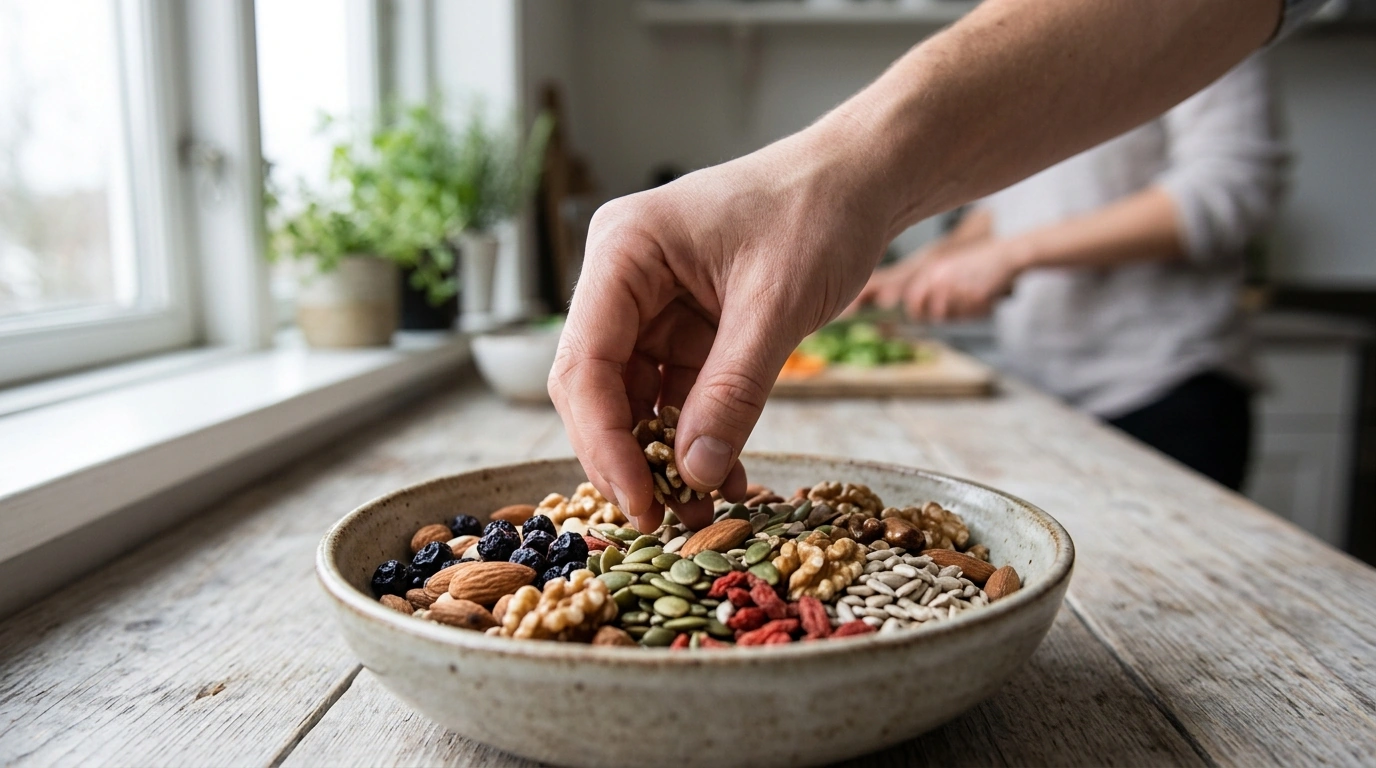
What is the fuel of life?
The “fuel of life” is the energy that powers every function in the body, from breathing and brain activity to muscle movement and repair. In everyday biology, that fuel comes from food—specifically the calories and nutrients your body converts into usable energy for cells.
How the body turns food into energy
Food supplies three main macronutrients: carbohydrates, fats, and proteins. Carbohydrates are often the body’s quickest energy source, broken down into glucose to feed cells. Fats are a dense, long-lasting energy reserve, crucial for hormones and cell membranes. Proteins primarily build and repair tissues, but they can be used for energy when needed.
The real “cellular fuel”: ATP
At the cellular level, the immediate energy currency is ATP (adenosine triphosphate). Your body makes ATP by breaking down nutrients through processes like glycolysis and cellular respiration. Oxygen plays a major role here, helping produce large amounts of ATP in the mitochondria—often called the cell’s “powerhouses.”
Why “fuel” is more than just calories
Calories measure energy, but the quality of that energy matters. Vitamins and minerals help enzymes do their jobs, making it possible to release energy from food efficiently. Hydration also supports circulation and metabolism, helping deliver nutrients and remove waste. In other words, feeling energized depends on both energy intake and the systems that convert and distribute that energy.
For a deeper, more detailed look at what people mean by the “fuel of life” and how it connects to nutrition and metabolism, visit https://megafindingspulse.shop/what-is-the-fuel-of-life/.
For Fuel of Life Explained: How Food Becomes ATP Energy, the best answer depends on fit, material, care instructions, and how the product will be used day to day.
Checking those details first helps avoid a poor match and keeps the choice practical after delivery.
FAQ
What are the main nutrients that provide energy to the body?
Carbohydrates and fats are the primary energy sources, while protein mainly supports structure and repair but can also be used for energy. All three can be converted into ATP, the cell’s usable energy form.












Leave a comment