Toddler Nightmares: 5-Step Comfort Plan + Bedtime Fixes
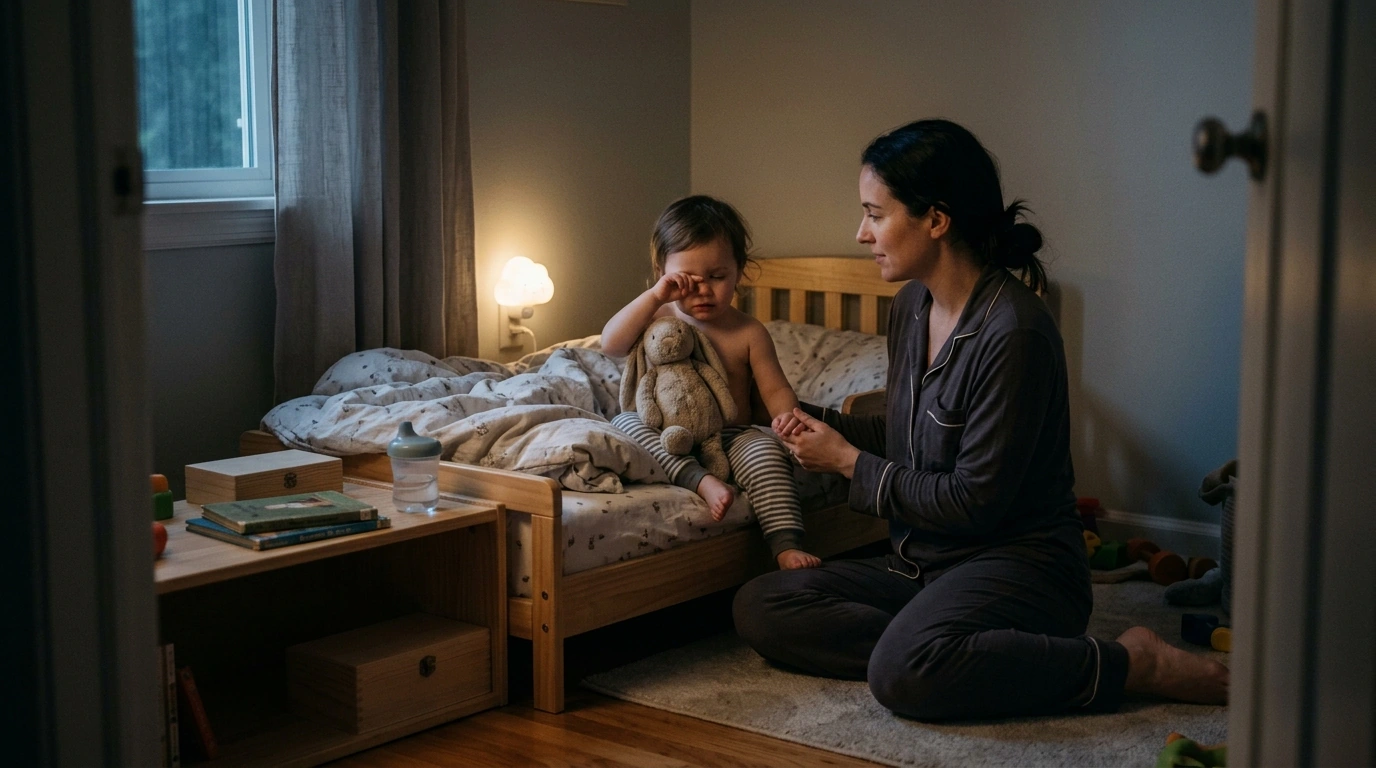
What to Do When Your Toddler Has Nightmares: Calm Comforting Steps and Bedtime Fixes That Stick
Nightmares can turn bedtime into a stressful cycle for toddlers and parents alike. A few steady, repeatable responses can help your child feel safe in the moment and reduce the chances of scary dreams returning night after night. Below are quick comfort strategies for the middle of the night, simple daytime supports, and bedtime routine tweaks that build security over time.
Nightmares vs. night terrors: why the difference matters
Not every nighttime episode is a nightmare. Knowing what you’re seeing helps you choose the right response and avoid accidentally making things worse.
- Nightmares usually happen in the second half of the night; toddlers may wake fully, cry, and remember parts of the dream.
- Night terrors often occur earlier; a child may look awake but be confused, hard to console, and not remember it in the morning.
- If your toddler can be soothed, asks for reassurance, and wants to talk, that’s more consistent with nightmares.
- If episodes are frequent, intense, or paired with safety risks (leaving bed, climbing furniture), discuss with a pediatrician.
| Feature | Nightmares | Night Terrors |
|---|---|---|
| Timing | Often later in the night | Often within the first few hours of sleep |
| Awake/aware | Wakes and can respond | May seem awake but is disoriented |
| Consolable | Usually yes, with reassurance | Often difficult to console |
| Memory next day | May recall parts | Typically no memory |
| Best immediate response | Comfort, reassurance, brief reset | Keep safe, stay calm, avoid waking fully |
For more background on common sleep disruptions, helpful overviews include the American Academy of Pediatrics (HealthyChildren.org) and the Sleep Foundation’s guide to nightmares.
What to do in the moment: a calm 5-step response
When a toddler is scared, the goal is to communicate safety quickly and keep the “reset” short so their body can return to sleep.
- Stay close and steady. Sit by the bed, lower the lights, and use a calm voice. Your calm nervous system helps regulate theirs.
- Name the feeling, not the dream. Try: “That was scary.” Skip detailed questions at first; details can pull them back into the fear.
- Offer one grounding cue. A sip of water, a familiar comfort object, or 3 slow breaths together (“Smell the flower… blow the candle”).
- Use one short reassurance script. Keep it consistent: “You’re safe. I’m here. Your body can relax now.” Repeat rather than negotiating.
- Reset and return to bed. Brief cuddle or hand-hold, then back to the usual sleep steps. The more “special” the wake-up becomes, the more likely it repeats.
What not to do (even when exhausted)
- Avoid long dream debriefs at 2 a.m. It increases alertness and can turn a nightmare into a full wake window.
- Avoid “protector” stories that make monsters real. Instead of “I’ll chase the monster away,” use: “Your brain made a scary story, but you’re safe in our house.”
- Avoid turning it into a screen moment. Light and stimulation can disrupt sleep pressure and make settling harder.
- Avoid big routine overhauls after one rough night. Small, consistent changes are more effective than sudden shifts.
Bedtime routine tweaks that reduce nightmares over time
Many toddler nightmares flare up when kids are overtired, overstimulated, or processing new fears and experiences. A predictable wind-down helps their brain downshift before sleep.
- Create a predictable wind-down (20–40 minutes). For example: wash-up/bath, pajamas, 2 short books, lights out.
- Use a “worry drop-off” ritual. Let your child draw a worry and place it in a small box or jar before bed.
- Keep media gentle, especially late day. Avoid intense shows, loud games, or scary stories close to bedtime.
- Anchor safety cues. Keep the night light, white noise, door position, and your “goodnight phrase” consistent.
- Check for overtiredness. Too-late bedtimes can increase night wakings. Try moving bedtime earlier by 15 minutes for several nights, then reassess.
| Time before lights out | What to do | Why it helps |
|---|---|---|
| 40–30 min | Wash-up/bath, dim lights | Signals the brain to shift toward sleep |
| 30–15 min | Quiet play or cuddles, avoid active games | Lowers arousal and stress hormones |
| 15–5 min | Two short books, one reassurance script | Predictability reduces anxiety |
| 0 min | Lights out, brief check-in plan | Prevents bargaining and extra stimulation |
Daytime supports: the quiet causes that show up at night
When to ask for help
For a broader overview of children’s sleep challenges and when to seek care, the NHS sleep guidance for children is also a helpful reference.
A practical bedtime toolkit for parents who want a repeatable plan
Helpful resources (in stock)
- What to Do When Your Toddler Has Nightmares | Ebook Guide for Parents | Practical Comforting Tips & Bedtime Solutions
- Modern Etiquette Micro-Course | Printable Digital Etiquette Guide | Texting, Social Media, RSVPs & Everyday Politeness Tips
- Must-Know Pet First-Aid Cheat Sheet | Emergency Printable Guide for Pet Owners | Vet Tips
FAQ
How long do toddler nightmares usually last?
Many toddler nightmares are a short phase tied to development, stress, or overtiredness. With calmer evenings and a consistent routine, they often improve within a couple of weeks; talk with a pediatrician if they’re frequent or persistent.
Should a toddler talk about the nightmare the next day?
If your child wants to talk, keep it brief and focus on feelings and coping rather than replaying scary details. Validate (“That felt really scary”) and practice a simple plan like the reassurance script or drawing a “safe ending.”
Is it okay to let a toddler sleep in the parents’ bed after a nightmare?
Occasional exceptions are understandable, especially during illness or major disruptions. If it starts happening often, a predictable alternative—short cuddle, then back to their bed with a check-in plan—helps prevent it from becoming the new nightly routine.












Leave a comment